Retirement boredom: why it happens and how to avoid it

Retirement boredom is one of those things nobody mentions at the leaving do. You pictured the freedom, the lie-ins, the time for everything you never got round to. Then, a few months in, the days start to feel flat. If you are bored in retirement, or bored after cutting your hours, you are far from alone. And it is rarely a sign that something is wrong with you. More often, it means something work used to give you has quietly gone missing.
What retirement boredom feels like
It is not always the obvious kind of boredom, sitting with nothing to do. Often it is quieter than that.
- Restlessness. A feeling that you should be doing something, without being able to settle on what.
- Flat days. One day runs into the next, with little to tell them apart.
- Scrolling. You pick up your phone for a minute and look up an hour later.
- The long afternoon. Lunch is done, the jobs are ticked off, and it is not yet three o’clock.
- The longer Sunday. That slightly empty, slightly uneasy feeling that used to arrive at the end of a weekend, now stretched across the week.
Some people feel guilty about it, too. You worked for years to get here, so being bored can feel ungrateful. It isn’t. It is information.
Why it happens
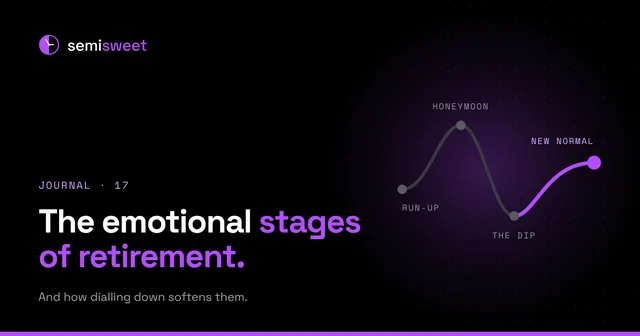
Many people describe a honeymoon at first. The early weeks feel like a long holiday: catching up on sleep, sorting the garage, seeing friends at lunchtime. Then the novelty fades and a dip arrives. Nothing has gone wrong. The holiday has simply ended, and a new everyday life has not yet taken its place.
Underneath, work was doing several jobs at once. When it stops or shrinks, these are the things that tend to go missing:
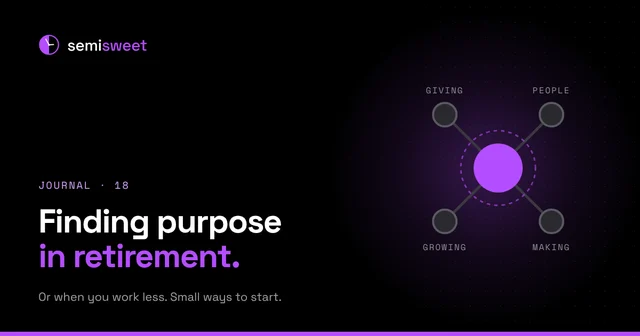
- Challenge: problems to solve, things to get better at, a reason to stretch.
- Structure: a time to be somewhere, and a shape to the week.
- People: the everyday conversations you barely noticed until they stopped.
- Purpose: a sense that what you do matters to someone.
- Recognition: being thanked, being relied on, being good at something in front of others.
Boredom is often one or more of these gaps showing up. That is useful, because once you know which one it is, you know where to start. If losing a role you were known for is part of it, from provider to what? looks at that shift in identity.
This is not only a full-retirement problem, either. Some people feel bored working part-time, especially when the freed-up hours arrive before they have decided what those hours are for.
Boredom or something more?
Boredom and low mood can look alike. Boredom tends to lift when something interesting comes along. Low mood tends to stay put, even when it does. If the flatness lasts for weeks, or starts to affect your sleep, your appetite or your pleasure in things you used to enjoy, speak to your GP. A big change in how you spend your days is a very ordinary reason to ask for support.
How to prevent retirement boredom before it starts
The best time to deal with boredom is before you have lots of free time to be bored in.
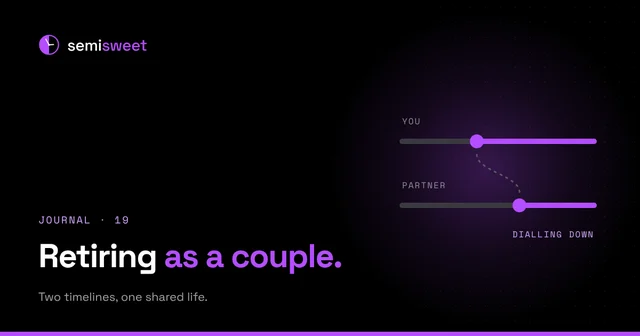
Dial down rather than stopping overnight. Going from full-time work to nothing in one step means every gap opens at once. A glide, where you cut down to a share of your time first, lets the gaps open slowly. You keep the challenge, structure and people from work while you build interests alongside it. By the time work shrinks further, you already have something to step into. Every employee in Great Britain can request flexible working from day one of employment, so asking about fewer or shorter days is a normal conversation to have.
Plan a few anchors in the week. Anchors are fixed points you turn up to whatever your mood: a class, a regular walk with a friend, a volunteering shift, a sports session. You don’t need many. Two or three are often enough to stop the week going soft.
Ask what the time is for. Writing a job description for the next 10 years can help you think about what you want from the extra time, not just how to fill it. For a quick check on where you stand, practically and personally, try the retirement readiness quiz.
If the prospect of boredom is part of what is holding you back from cutting down at all, scared to retire? the fears nobody talks about may help.
What to do when bored in retirement
If you are bored now, small changes tend to work better than big resolutions. Try one or two of these rather than all of them at once.
- Add one fixed point. Pick something that happens at the same time each week and put it in the diary. Structure first; enthusiasm often follows.
- Find a challenge with progress. Choose something where you can see yourself getting better: a language, an instrument, a longer walking route, a skill you always meant to learn. Progress is what makes effort feel worthwhile.
- Get people into the week. Suggest a regular coffee rather than a vague “we must catch up”. Join a group built around something you enjoy, so the conversation comes easily.
- Try a small paid or volunteer role. A few hours of being relied on can restore a surprising amount of purpose and recognition. It might be part-time work, a little consultancy or helping a local charity.
- Change the scenery. A different walk, a day trip, a library or café instead of the kitchen table. New surroundings can shift a flat day.
- Learn something with a goal. A course with an end point, a qualification, a project you will finish by a set date. Goals give free time a direction.
For a much longer list of ideas, grouped by what they give you, see what to do in retirement (or when you start working less).
Boredom can be useful
Boredom is uncomfortable for a reason. It is a nudge to change something. It tends to show up when your days no longer match what you need, and it rarely goes away on its own until you act on it.
So rather than treating it as a failure, try treating it as a question. What is missing right now: challenge, structure, people, purpose or recognition? Pick the one that rings truest and make one small change. Then see how the next fortnight feels.
Many people find their way through. The ones who settle soonest are often those who stop waiting to feel inspired and start building a week they want to turn up to.
Questions people ask
Is it normal to be bored in retirement?
Yes. Retirement boredom is common, especially a few months in once the holiday feeling fades. It usually means something work used to supply, such as challenge, structure, people, purpose or recognition, has gone missing, not that you are doing retirement wrong.
How do I stop being bored in retirement?
Work out what is missing, then make one small change: add a fixed point to your week, take on a challenge where you can see progress, build in regular time with people, or try a small paid or volunteer role. Small, regular commitments tend to work better than big plans.
Why do I feel lost after retiring?
Work often gives you a role, a routine and a sense of being needed. When it stops, those can all go at once, which can leave you unsure who you are or what the days are for. The feeling usually eases as new routines and roles take shape. If it lasts for weeks or affects your sleep or appetite, speak to your GP.
Can working part-time stop retirement boredom?
It can help a lot. Dialling down gradually keeps some challenge, structure and colleagues in your week while you build interests alongside, so the gaps open slowly rather than all at once. Some people still feel bored working part-time, so it helps to decide what the freed-up time is for.
Guidance, not advice. This article shares general information and opinion, not financial advice. For free, impartial help, visit MoneyHelper.
Sources: GOV.UK: Flexible working